
Uncovering the fascinating journey of gambling through the ages
The Origins of Gambling
The roots of gambling can be traced back to ancient civilizations, where it served as both a form of entertainment and a way to predict the future. The earliest known gambling activities were found in China, dating back over 2,000 years. These involved betting on the outcome of dice games and other activities, illustrating a fundamental human desire to test luck and chance. Interestingly, alongside its rich history, modern platforms like Gucci9 Casino provide a vibrant connection to the thrills of ancient betting traditions.

Similarly, the Romans utilized gambling not only for recreation but also as a means to engage in social and political life. From simple games of chance to sophisticated betting systems, these early forms of gambling laid the groundwork for the complex industry we see today.
The Evolution of Gambling Through the Middle Ages
During the Middle Ages, gambling experienced significant changes, reflecting the cultural dynamics of the period. The introduction of card games in Europe marked a pivotal moment, as these games became popular among the nobility and commoners alike. This era also saw the emergence of organized betting on various sports, notably in England, where horse racing became a significant attraction.
Despite facing criticism from religious authorities, gambling persisted and adapted, leading to the establishment of regulated betting houses. These developments were crucial in shaping modern gambling practices, providing a foundation for the laws and regulations that govern the industry today. The myths surrounding gambling have often complicated public perception, but most can be debunked with the right information and context.
The Rise of Casinos
The 17th and 18th centuries marked the rise of casinos, particularly in Europe. The establishment of the first official casino in Venice in 1638 opened the doors to a new era of gambling, offering a lavish environment where players could indulge in games of chance. This period saw the creation of iconic games, such as roulette and baccarat, which continue to captivate players worldwide.
Casinos quickly became synonymous with glamour and prestige, attracting aristocrats and the wealthy. This allure contributed to the expansion of gambling across continents, leading to the establishment of famous gaming hubs, like Monte Carlo and Las Vegas, which epitomize the casino experience today.
The Impact of Technology on Gambling
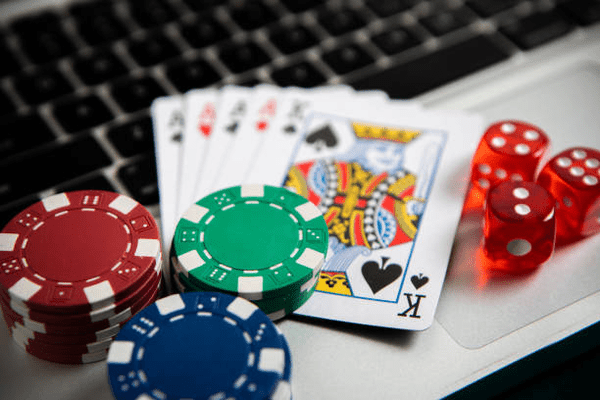
With the advent of the internet in the late 20th century, the gambling landscape underwent a revolutionary transformation. Online casinos emerged, providing players with unprecedented access to a wide array of games from the comfort of their homes. This accessibility has not only increased participation but also diversified the gaming experience, allowing for innovative gameplay features.
The introduction of mobile gaming has further propelled the industry, enabling users to gamble anytime, anywhere. This technological evolution has also led to the rise of new forms of gambling, such as live dealer games and virtual reality experiences, reshaping how individuals interact with gambling platforms.
Gucci9 Casino: A Modern Gaming Experience
In today’s dynamic gambling environment, platforms like Gucci9 Casino Australia stand out by offering a diverse range of over 7,000 licensed games. With enticing bonuses and free spins, players can immerse themselves in an engaging gaming experience. The user-friendly interface and quick cashout features enhance player satisfaction and streamline navigation.
Gucci9 Casino continues to evolve, providing exclusive promotions and regular updates on new game releases. This commitment to innovation ensures that players enjoy a rewarding journey, reflecting the rich history and ongoing evolution of gambling through the ages.