
Understanding the Basics of Gambling for Beginners
What is Gambling?
Gambling refers to the act of risking money or valuables on an event with an uncertain outcome, primarily aimed at winning additional money or goods. It encompasses a wide variety of activities, from traditional casino games like poker and blackjack to sports betting and lottery games. The thrill of gambling lies in the unpredictability of the outcome, which adds excitement and engagement for participants. Many people explore sites like 4rabetoriginal.com to experience this excitement firsthand.
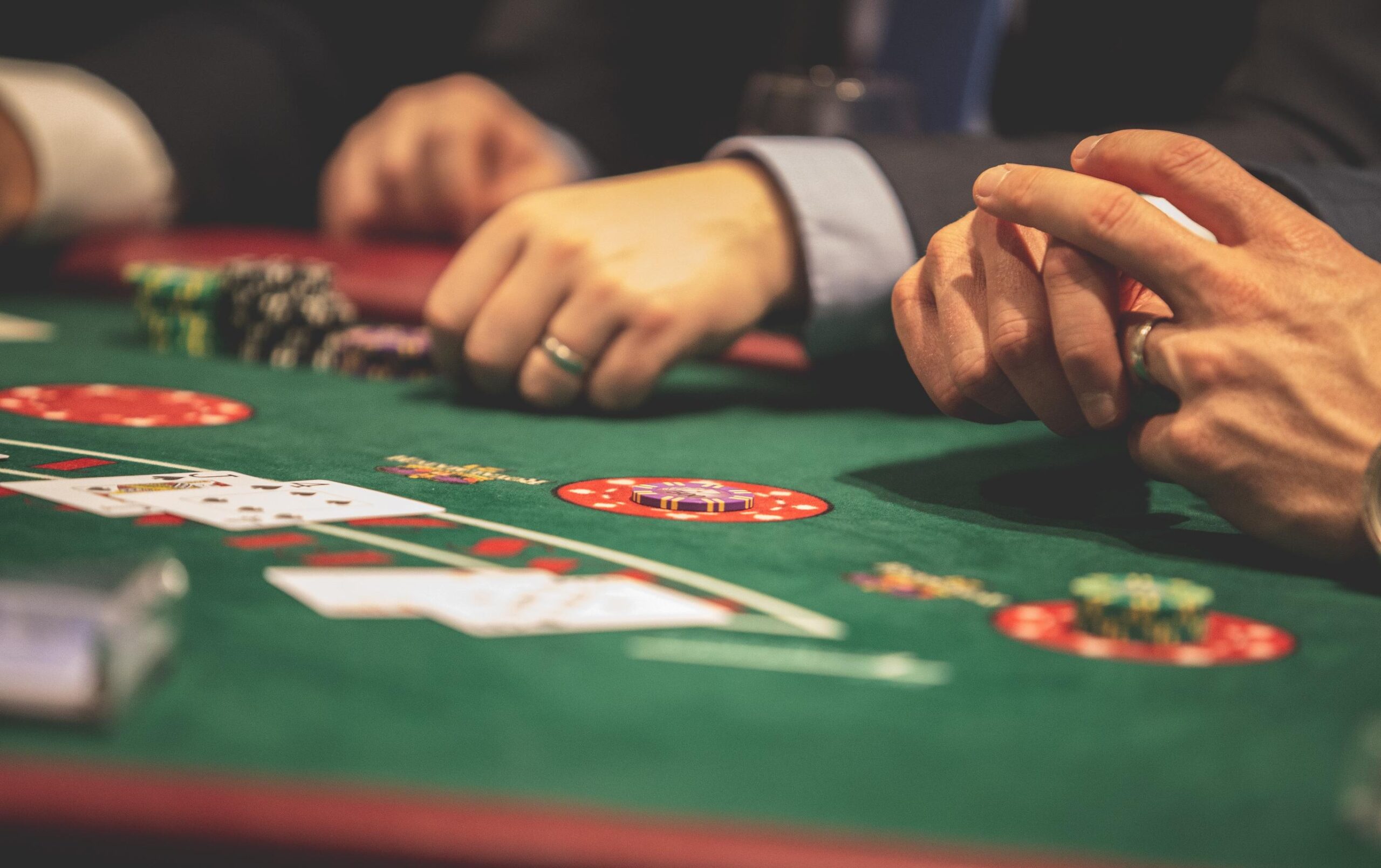
For beginners, understanding the different forms of gambling can be essential. Some may prefer games of chance, where luck plays a significant role, such as slot machines and roulette, while others might enjoy games of skill, where strategy and knowledge can influence the outcome, like poker. Recognizing these categories can help new gamblers find what suits their preferences best.
The Psychological Effects of Gambling
The psychological effects of gambling can be profound, both positively and negatively. For many, gambling serves as a form of entertainment that offers a temporary escape from everyday life. The adrenaline rush associated with betting can create feelings of excitement and joy. However, it is crucial to understand that these emotions can quickly shift, leading to anxiety or stress when outcomes are unfavorable.
Furthermore, gambling can lead to psychological dependency. Individuals might find themselves chasing losses or feeling compelled to gamble even when it is not financially or emotionally advisable. Awareness of these psychological effects is vital for beginners to maintain a healthy relationship with gambling and to recognize when it might be time to step back.
Responsible Gambling Practices
Responsible gambling is the practice of enjoying gambling activities without developing harmful behaviors. For beginners, setting limits on time and money spent on gambling can help prevent negative outcomes. It is essential to treat gambling as a form of entertainment rather than a way to generate income or solve financial issues.
Additionally, keeping a clear mindset is critical. Beginners should establish a budget and stick to it, ensuring that the money spent is discretionary income. Understanding that losses are a natural part of gambling can also help in maintaining a balanced perspective, allowing for enjoyment without the burden of guilt or regret.
Popular Gambling Games for Beginners
Beginners often gravitate toward specific gambling games that offer a gentler introduction to the world of betting. Games like slot machines are popular due to their simplicity and straightforward mechanics. Players simply need to place their bets and spin the reels, making it an accessible option for those unfamiliar with more complex games.
Another beginner-friendly game is blackjack, where players compete against the dealer rather than each other. This game combines luck and strategy, offering newcomers a chance to learn basic betting principles while enjoying the excitement of a card game. Learning these popular games can provide a strong foundation for those who wish to explore gambling further.

Exploring Online Gambling Platforms
As technology advances, online gambling platforms have become increasingly popular among enthusiasts. These platforms offer a convenient way for individuals to engage in various betting activities from the comfort of their homes. Users can find a wide range of games, from traditional casino favorites to innovative new options designed for online play.
Websites often provide resources and support for beginners, helping them navigate the world of online gambling. Whether it’s understanding game rules, exploring bonuses, or seeking assistance with account issues, many platforms prioritize user experience. For individuals looking to start their gambling journey, choosing a reputable online site can enhance their experience significantly.